
Away from the highway: Ilha Grande
West of Rio de Janeiro lies one of the most beautiful landscapes in Brazil: the Costa Verde (Green Coast). No greater contrast is imaginable: Rio’s overpopulated favelas, loud traffic jams and droves of tourists make way for tropical rainforest, colonial towns and quiet tropical beaches. The highlight along the Green Coast is Ilha Grande, the ‘Large Island’, which has been declared a national park.
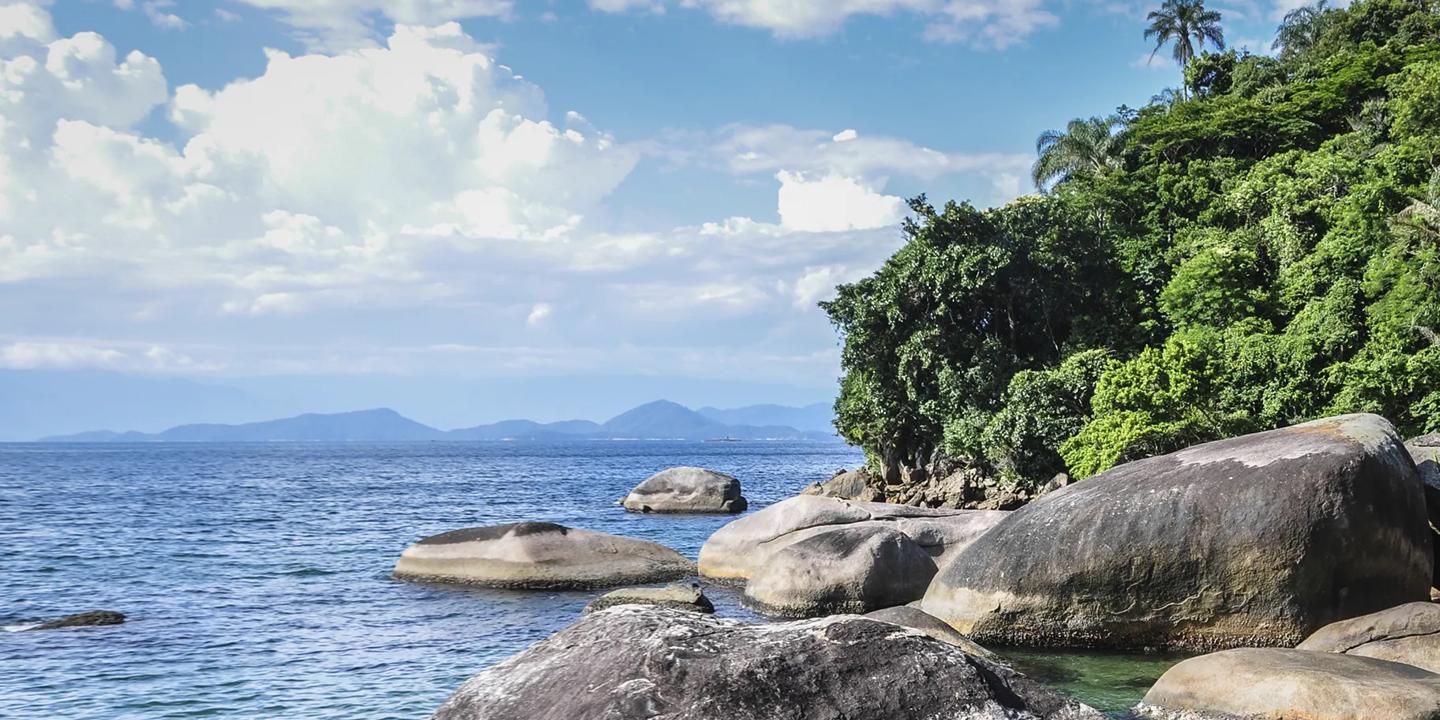
Boating along 107 tropical beaches
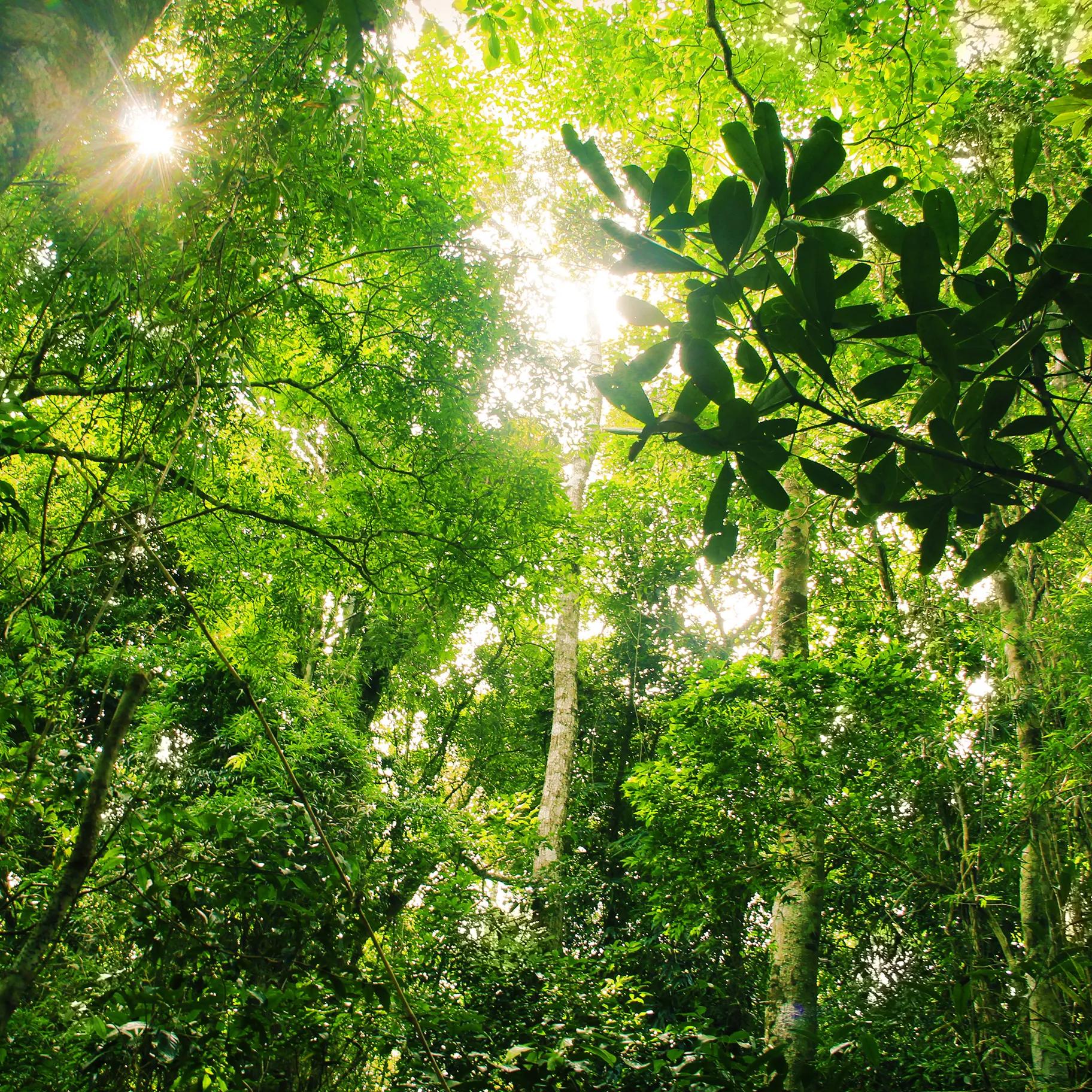
The red-ruffed fruitcrow, brown howler monkey, maned sloth, red-browed Amazon and broad-snouted caiman are just some of the endangered species that make their home in this pristine Atlantic Rainforest. The entire island is a protected national park and therefore completely car-free. Stay at an eco-lodge or pousada in the main town of Vila do Abraão and explore the almost 200-square-kilometre island on foot along 16 marked walking routes. You can also ride a mountain bike through forest-clad hillsides to visit various waterfalls or take a boat tour along the many bays, coves and beaches. The island’s beaches are perfect for spending a lazy day in a hammock or enjoying a picnic. You will also find excellent diving and snorkelling sites. In addition to large schools of colourful fish, you may also come nose to nose with a sea turtle or dolphin. Cariocas are right: Ilha Grande is paradise on earth.
Eco-hostel, boutique hotel or jungle lodge?
Because of its protected status, Ilha Grande only offers small-scale, eco-friendly accommodations. A great budget option is Aquario Hostel, located next to a beautiful beach with a natural swimming pool. Another option is the Jungle Lodge, which is situated in the rainforest just outside of the village and offers various boat and hiking tours. If you’re looking for a more exclusive stay, take a short boat trip from Abraão to the Asalem: a luxurious hide-away on a blue bay. Keep in mind that the exuberant biodiversity of Ilha Grande means that insects also have free reign – so come armed with a hefty supply of insect repellent.
Related articles
Arts & Culture
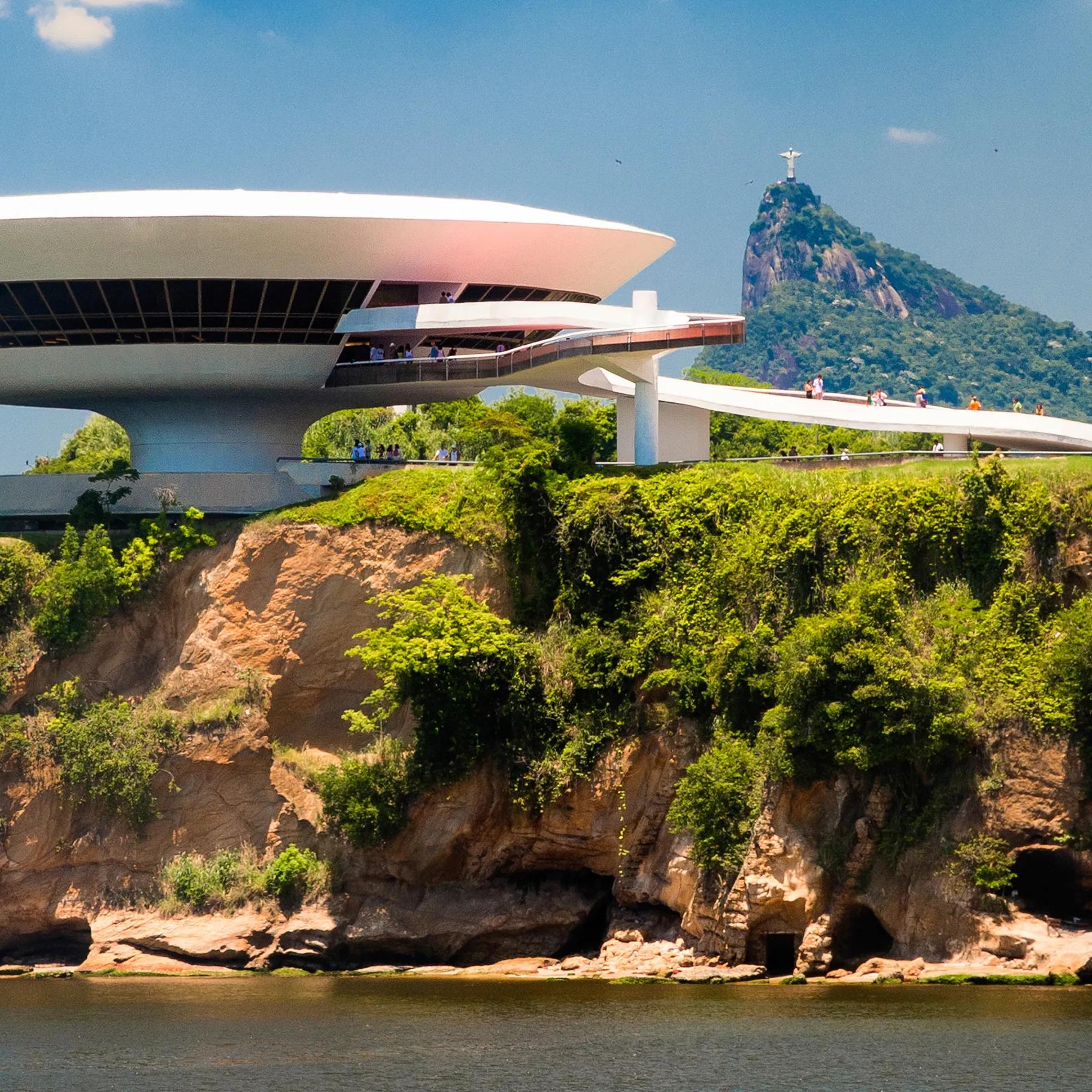
Strangely enough, Rio de Janeiro’s most famous building is actually not in Rio but across the bay in Niterói − a separate municipality that houses the landmark Museu de Arte Contemporânea. The museum is designed by Brazil’s most famous architect, Oscar Niemeyer, and resembles a snow white flying saucer, which stands in sharp contrast with the (usually) bright blue sky.
Arts & Culture
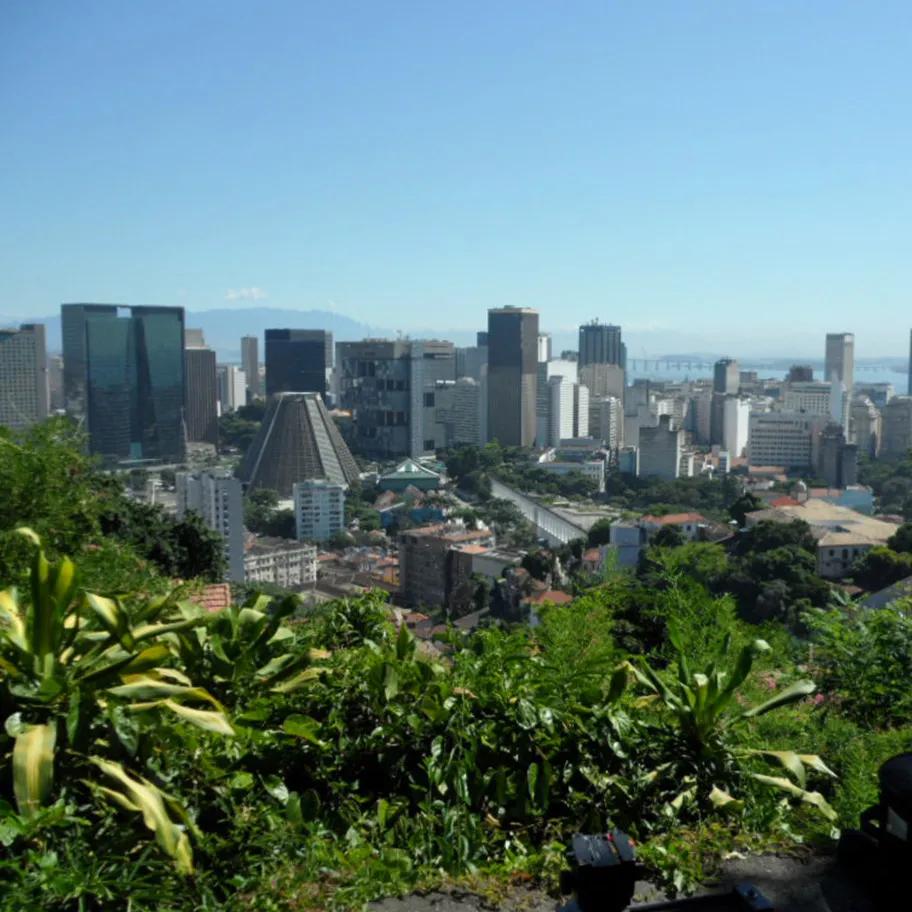
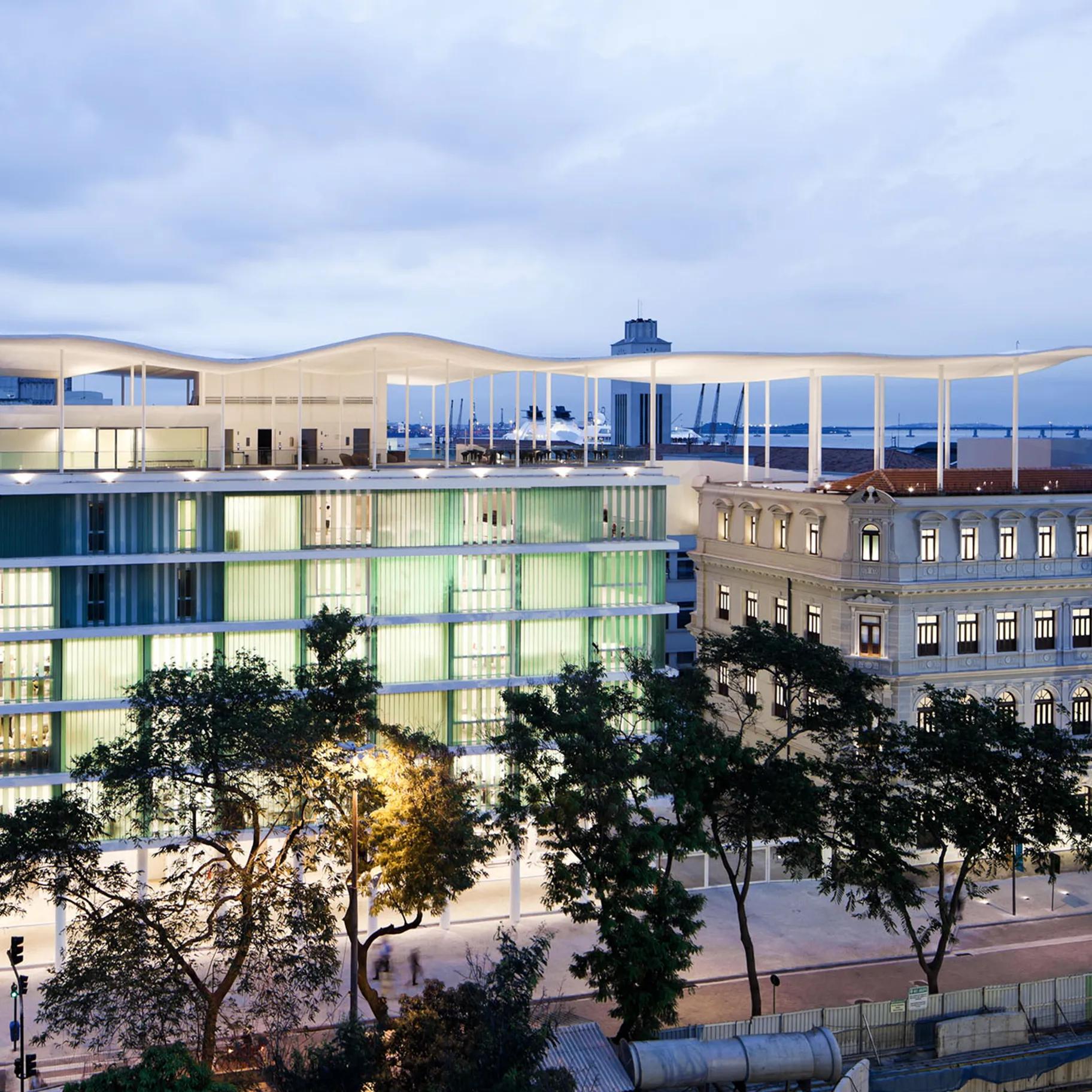
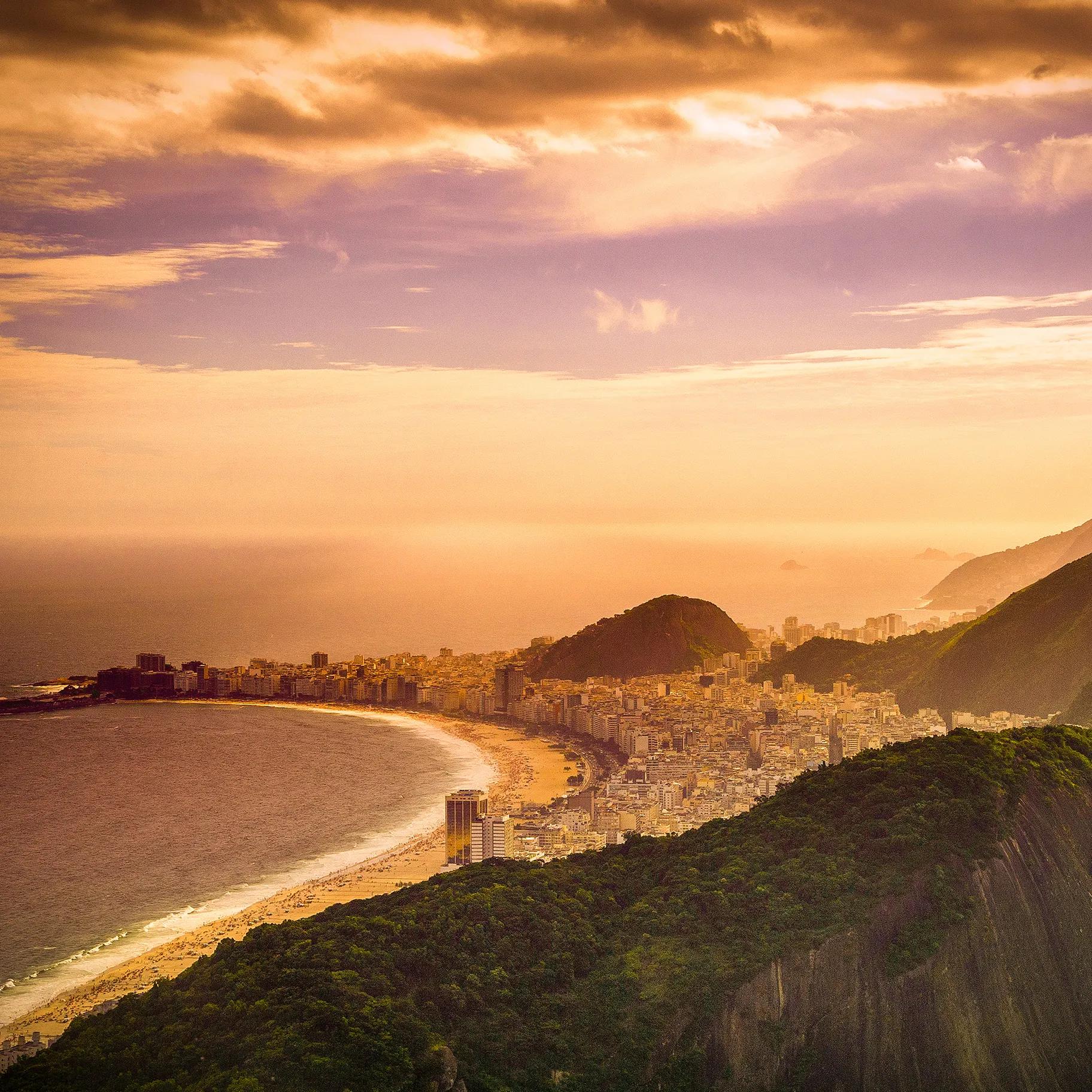
If you picture Rio de Janeiro as a person, the beach of Ipanema would be the body’s strong tanned legs. Vibrant Lapa would be the swaying hips and above that would be the vital organs. Santa Teresa is the artistic heart of the city, packed with galleries and street art. This is the place to immerse yourself in Rio’s art scene.

Discover other destinations in South America
*The displayed prices are for one adult. All amounts are in GBP including taxes and surcharges, except where taxes are collected locally at the airport. A booking fee is not applicable, but a payment surcharge may apply. Prices and availability may change without notice, see KLM price display for more information.
The weather forecast information is provided by World Weather Online. Air France-KLM is not responsible for the reliability of this data.